
Budget Season, What Hotels in Thailand should expect in the year ahead
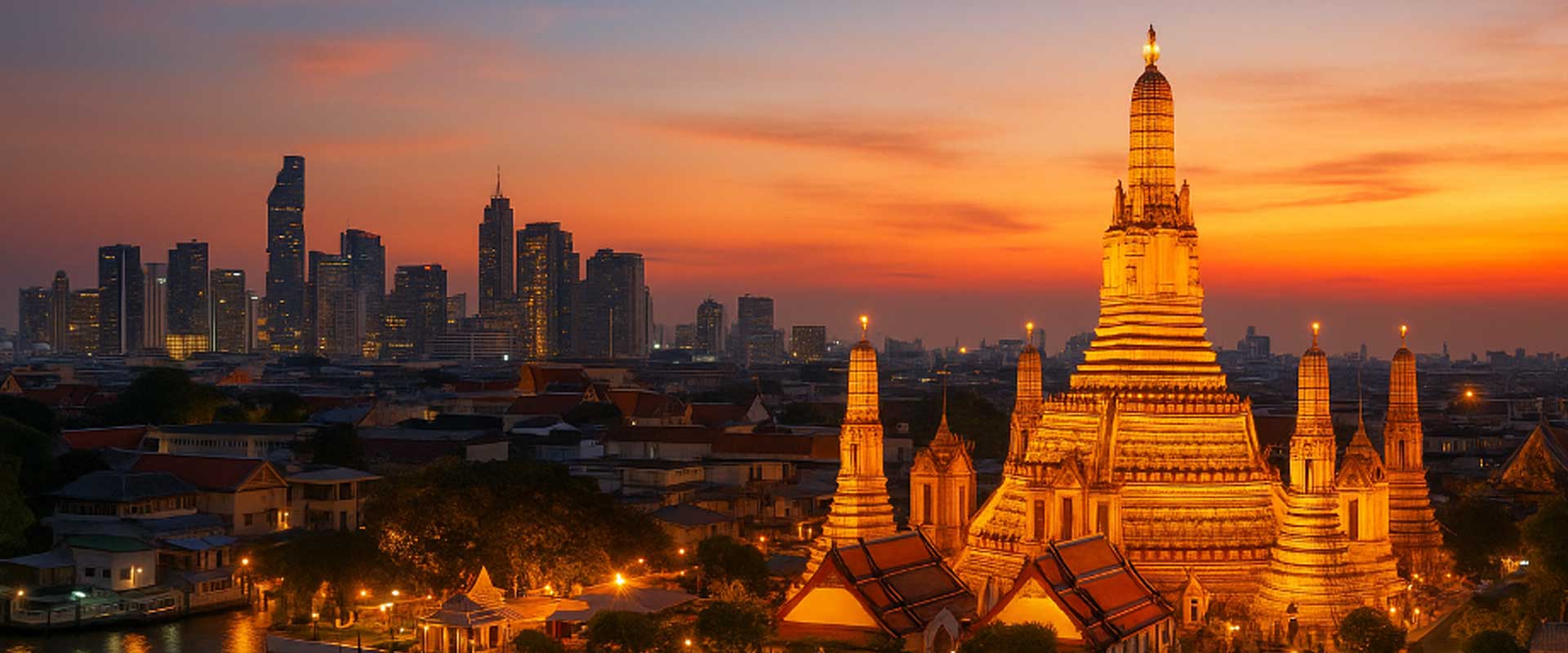
Budget planning isn’t just about crunching numbers—it’s about staying aligned with shifting tourism trends, guest expectations, and market realities. Here’s a clear-sighted, grounded look at what hotels in Thailand should bear in mind as they build their 2026 budgets.
Tourist Arrivals: Slower Growth, Slight Adjustments
International visitor numbers for the first eight months of 2025 stood at approximately 21.9 million, marking a 7.16% drop year-on-year. For the full year, forecasts now range between 32 million to 33 million arrivals, revised down from optimistic targets like 37 million or even 40 million seen earlier. Reuters+1
Don’t assume demand will jump back sharply overnight. Be conservative in your revenue projections and plan for flexibility.
Revenue Headwinds and Regional Resilience
Kasikorn Research Center projects a 4.5% revenue decline across the hotel industry in 2025, while domestic and experience-based properties may fare better. Travel And Tour World+1
That said, many hotel chains are holding up surprisingly well—even turning profits—despite the slowdowns.YouTube+15nationthailand+15The Straits Times+15
Prepare for squeezed revenue—but prioritize niche offerings or domestic travelers to help soften the blow.
The “White Lotus” Effect: A Free Publicity Windfall
HBO’s The White Lotus (Season 3), filmed at Four Seasons Koh Samui, is already spurring fresh interest. Properties are creating themed experiences, itineraries are being sold, and the Tourism Authority expects a 5% uptick in U.S. travelers.The Scottish Sun+3The Washington Post+3Teen Vogue+3
Allocate budget for creative, show-themed promotions—especially in places like Koh Samui, Phuket, and Bangkok—to ride this wave.
Targeting India: A Steady and Growing Market
While China’s arrivals are dipping significantly, India remains one of Thailand’s strongest inbound markets. Over 1.6 million Indians visited in 2023, and relaxed visa access continues to ease travel. Wikipedia
Plan for tailored packages and domestic-language marketing aimed at the Indian market, especially during Indian peak travel seasons.
Sustainability: Not Just Nice-to-Have, but Expected
Thailand’s Tourism Authority is actively pushing sustainability through initiatives like the Carbon Neutral and Net Zero Tourism projects, showcasing provinces at ITB Berlin 2025. Wikipedia+1
The White Lotus spotlight also raises energy on managing environmental impact—especially in hotspots like Koh Samui, where concerns over water, waste, and reef management are gaining attention. New York Post+3Teen Vogue+3The Washington Post+3
Allocate budget for Eco-upgrades, waste reduction, or community-based programs that deliver real value—and credibility—to sustainability-conscious travelers.
Long-Term Growth: A Steady Climb Ahead
Despite short-term softness, the broader outlook remains promising:
- The Thailand hospitality market is expected to grow from USD 22.68 billion in 2025 to USD 63.6 billion by 2030—a compound annual growth rate (CAGR) of 7.2%. Mordor Intelligence
- The overall hospitality sector (in USD) is projected to grow at 5.7% CAGR through 2033. Archive Market Research
Think beyond this year. Budget for selective enhancements that position your property for mid-term gains—like digital direct-booking platforms, targeted renovations, or niche service lines.